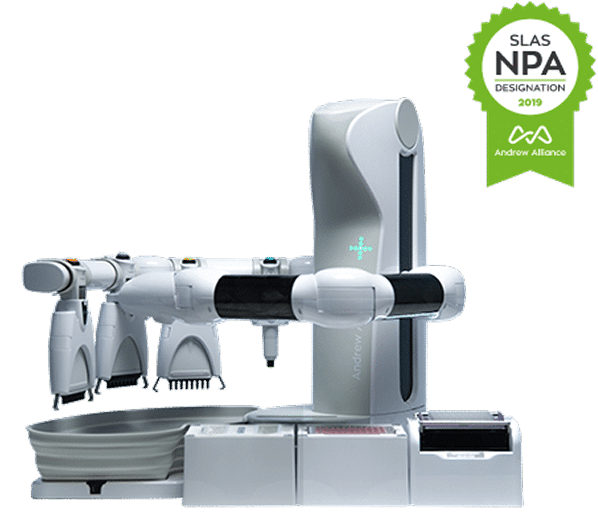
Are you a scientist advancing the frontiers of proteomics?Is sample prep slowing down you down? From tryptic digestions, suspension trapping, SP3, SISCAPA, and beyond, the Andrew+™ Robot is purpose-built to simplify and accelerate your sample preparation workflows.
With a streamlined setup and, intuitive, expert-developed protocols design, and expert-developed protocols ready for immediate use, the Andrew+ Robot frees you to focus on what truly matters: revealing new scientific insights [CQ1] your results.
Its Collaborative tools and flexible workflow support make it easy to scale your research and share progress with your team.
Proteomics is revolutionizing biomedical research, from identifying oncogenic proteins in cancer to revealing insights into protein misfolding in Alzheimer’s dDisease. While LC-MS is central to the proteomics workflowese breakthroughs, sample prep processes required for this technique, including workflows like tryptic digestion, sTRAP, SP3, and SISCAPA, can beremain complex and error-prone. The Andrew+™ Robot, powered by OneLab™ Software, simplifies and automates these steps with intuitive design, expert protocols, and collaborative tools, delivering reliable, reproducible results so researchers can focus on advancing science.
Easy, Automated Proteomics Sample Prep for withProteomics Studies on the Andrew+ Robot Enhances Lab Efficiency while Delivering Accurate, Reliable Results
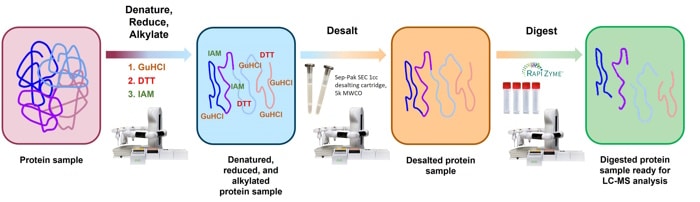
Proteomics is unlocking powerful insights into complex biological conditions by revealing the molecular mechanisms behind a wide array of disorders, including cancer, neurodegenerative disorders, and autoimmune diseases.Proteomics is unlocking powerful insights into devastating diseases by revealing key molecular mechanisms from oncogenic protein expression in cancer to protein aggregation in Alzheimer’s and Parkinson’s. As a foundation of precision medicine, it enables the development of targeted therapies based on individual protein profiles. As a core technology in the proteomics field, LC-MS requires Yet, complex LC-MS sample prep workflows like tryptic digestion, sTRAP, SP3, and SISCAPA, that can slow progress and discovery.
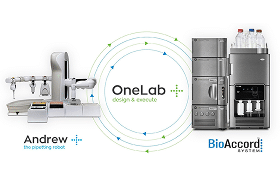
The Andrew+™ Robot, powered by OneLab Software, automates and simplifies these steps with intuitive, expert-designed protocols development and expert-designed protocols, delivering reproducible results and accelerating discovery.
You focus on the science. Focus on the science. Let Tthe Andrew+ Robot will handle the sample prep.
Build and run proteomics protocols—no coding, just drag and drop with OneLab™ Software
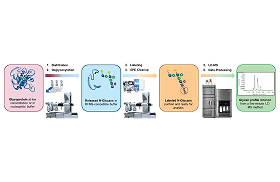
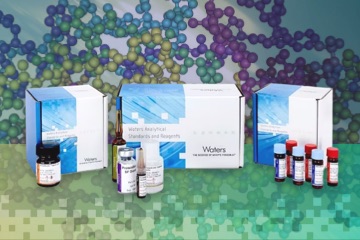
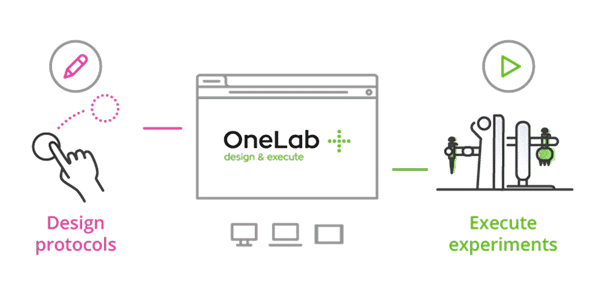
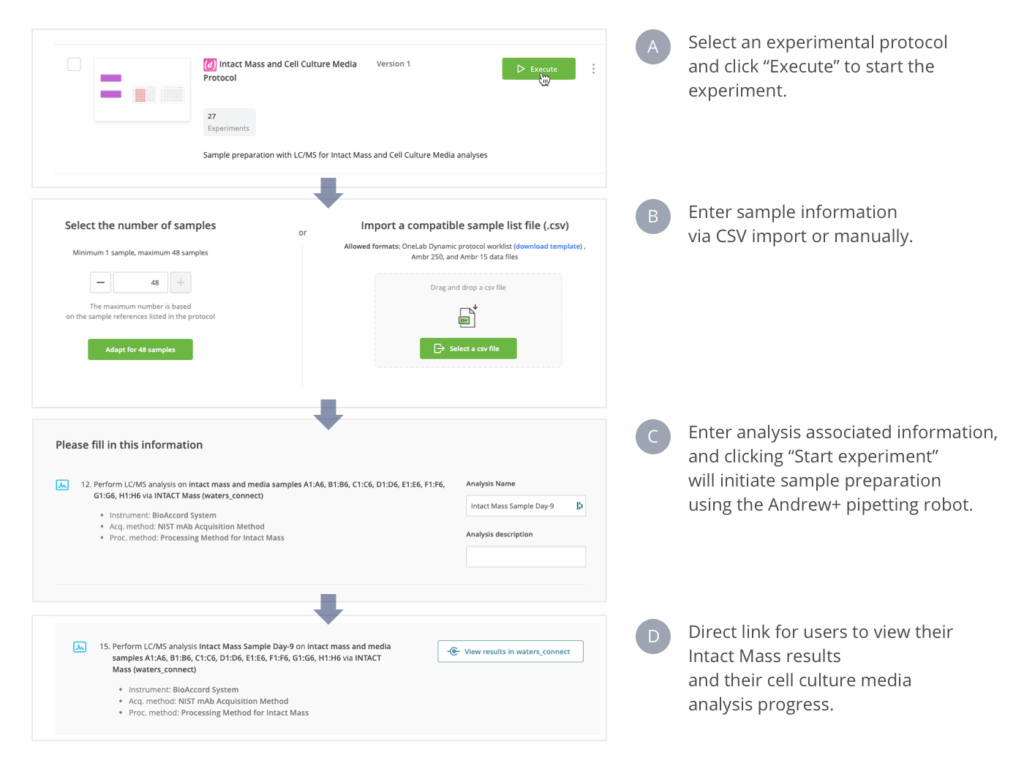
Automating proteomics sample prep is effortless with OneLab™ Software. No coding needed—. Withits intuitive drag-and-drop interface and built-in wizards, OneLab™ software guides you through tasks like 96-well plate reformatting and BCA assay serial dilutions. For common applications such as peptide mapping, protein quantification, and glycan profiling, explore the OneLab protocol library and download ready-to-run Click & Execute Methods for PeptideWorks™, ProteinWorks™, and GlycoWorks™. Need addtional help? Embedded chat support is always available. With powerful collaboration tools and seamless integration with the Andrew+™ Robot, OneLab empowers global teams to co-develop, share, and automate protocols with confidence, accelerating discovery and ensuring reproducible results.
Solutions
Accelerate Proteomics Research with Sample PrepEffortless Automation on the Andrew+ Robot
Unlock deeper disease insights with automated proteomics sample prep on the Andrew+™ Robot. Simplify complex LC-MS workflows, ensure reproducibility, and accelerate discovery so you can focus on the science.
Intuitive Protocol Development for Proteomics Sample Prep with OneLab Software
Creating automated sample prep protocols for proteomics research has never been easier thanks to OneLab Software’s intuitive drag-and-drop interface. You can access help through the embedded chat, download protocols from the online library, and leverage powerful tools that facilitate collaboration—just a few of the ways OneLab Software simplifies automated proteomics sample prep.
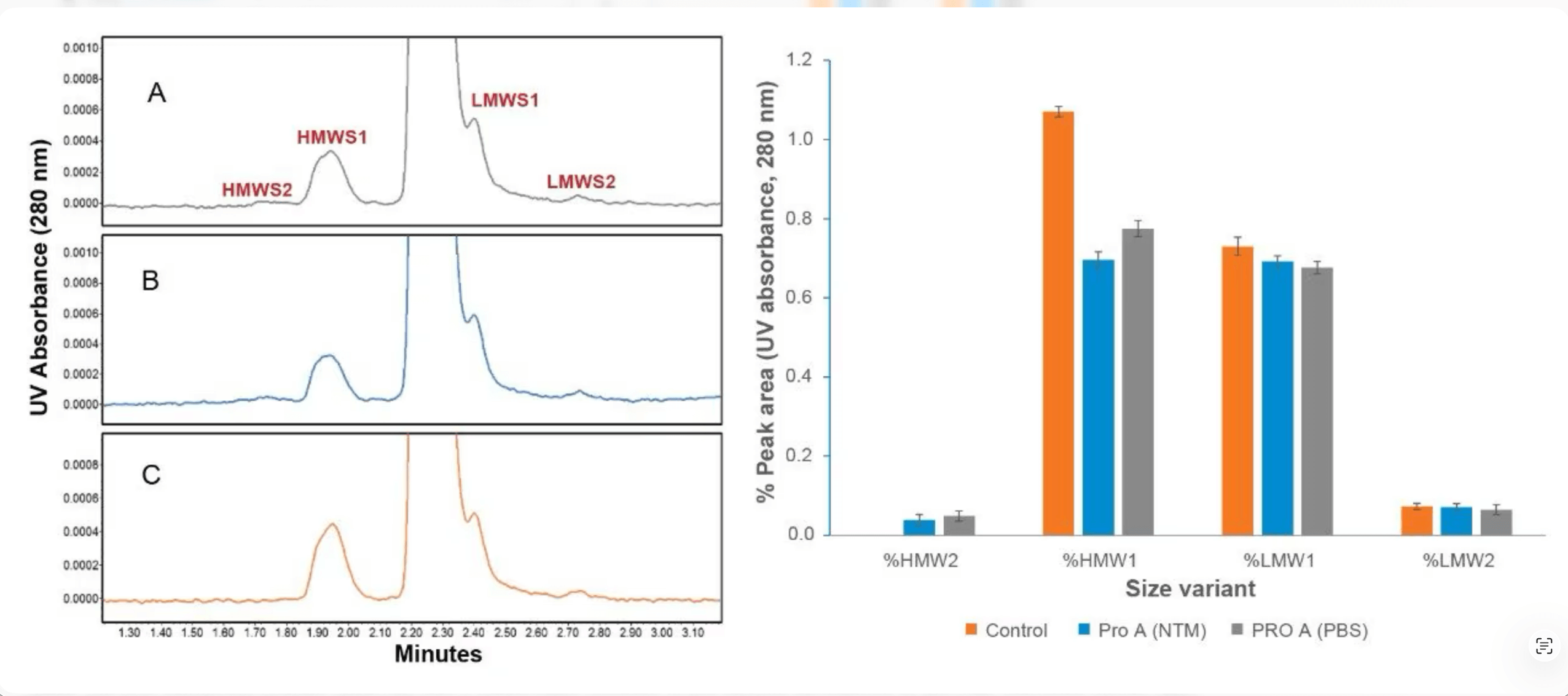
Evaluation of the SEC-UV quantitative results for protein A purified mAb spiked into A; PBS (n=8, gray) and B; non-transfected CHO cell conditioned media (NTM, n=8, blue) compared to C; a spike control (n=3, orange). These data were collected on an ACQUITY™ Premier BSM UPLC.
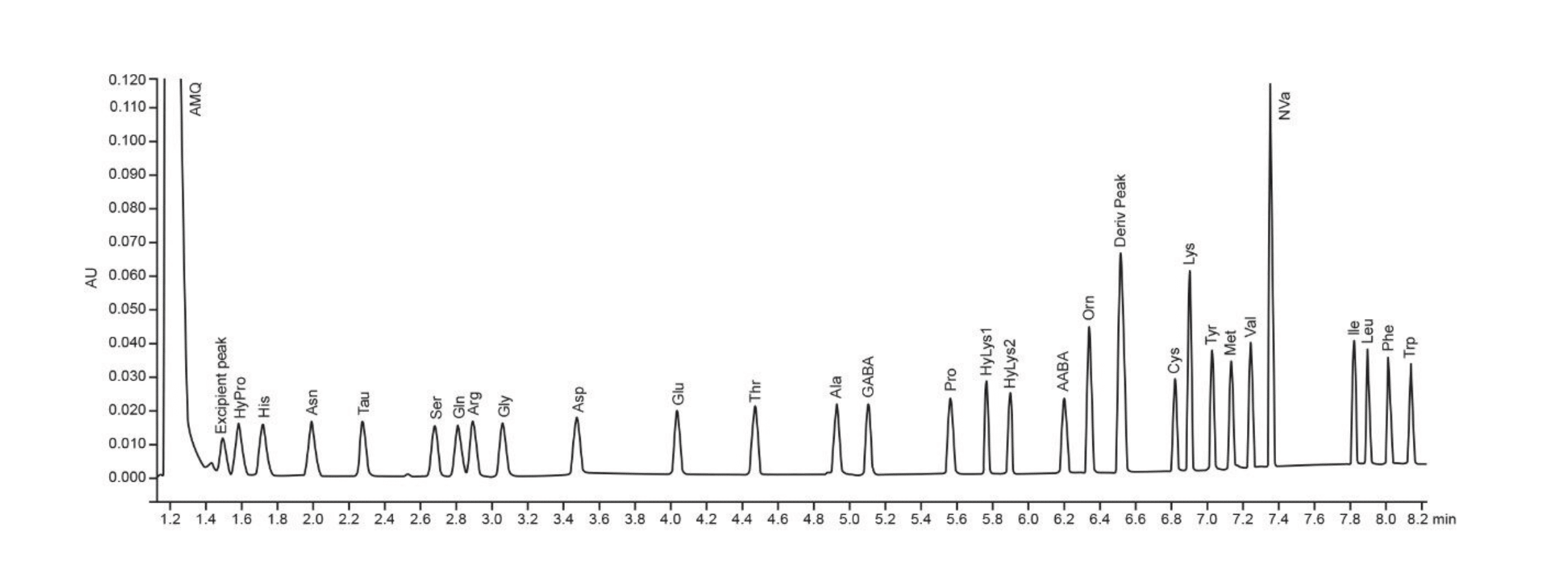
Separation of 10 pmols of the cell culture standard spiked with 23.5 pmols of Nva on column following automated sample prepared on the Andrew+ Robot for Amino Acid Analysis.
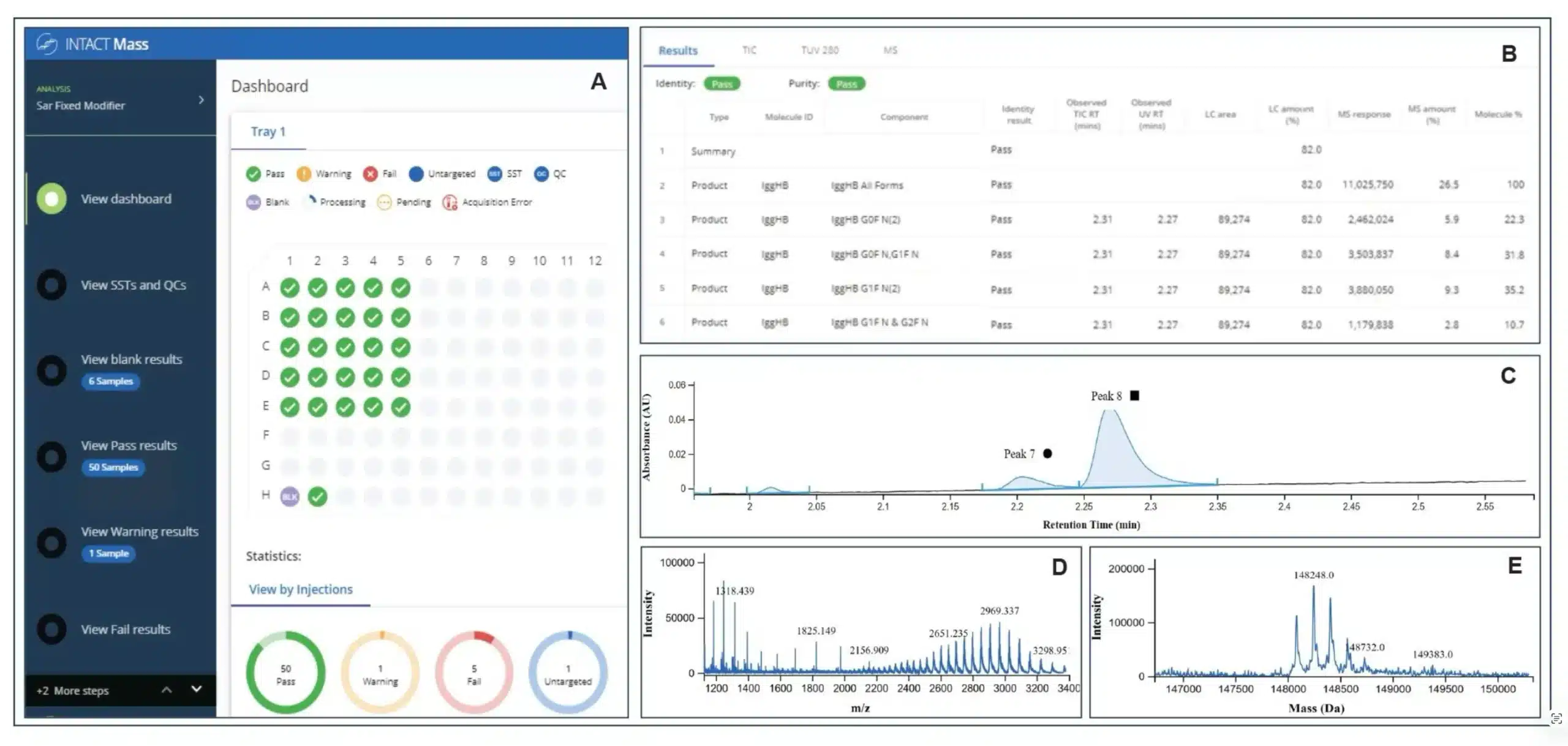
Display of Intact Mass App in the waters_connect™ platform. (A) Dashboard view showing injections and status of mAb detection, green color indicates the sample has passed detection criteria set in the method. (B) Summary table of modifications observed for the mAb produced including r.t., MS response, %modifications and other info. (C) Observed TUV chromatogram, which is used for peak detection. The first peak shown is light chain (LC) of the mAb, second peak is intact mAb. (D) Observed spectrum of the intact mAb peak, showing charge state distribution. (E) Deconvoluted spectrum of intact mAb, exhibiting the expected four major glycan modifications.
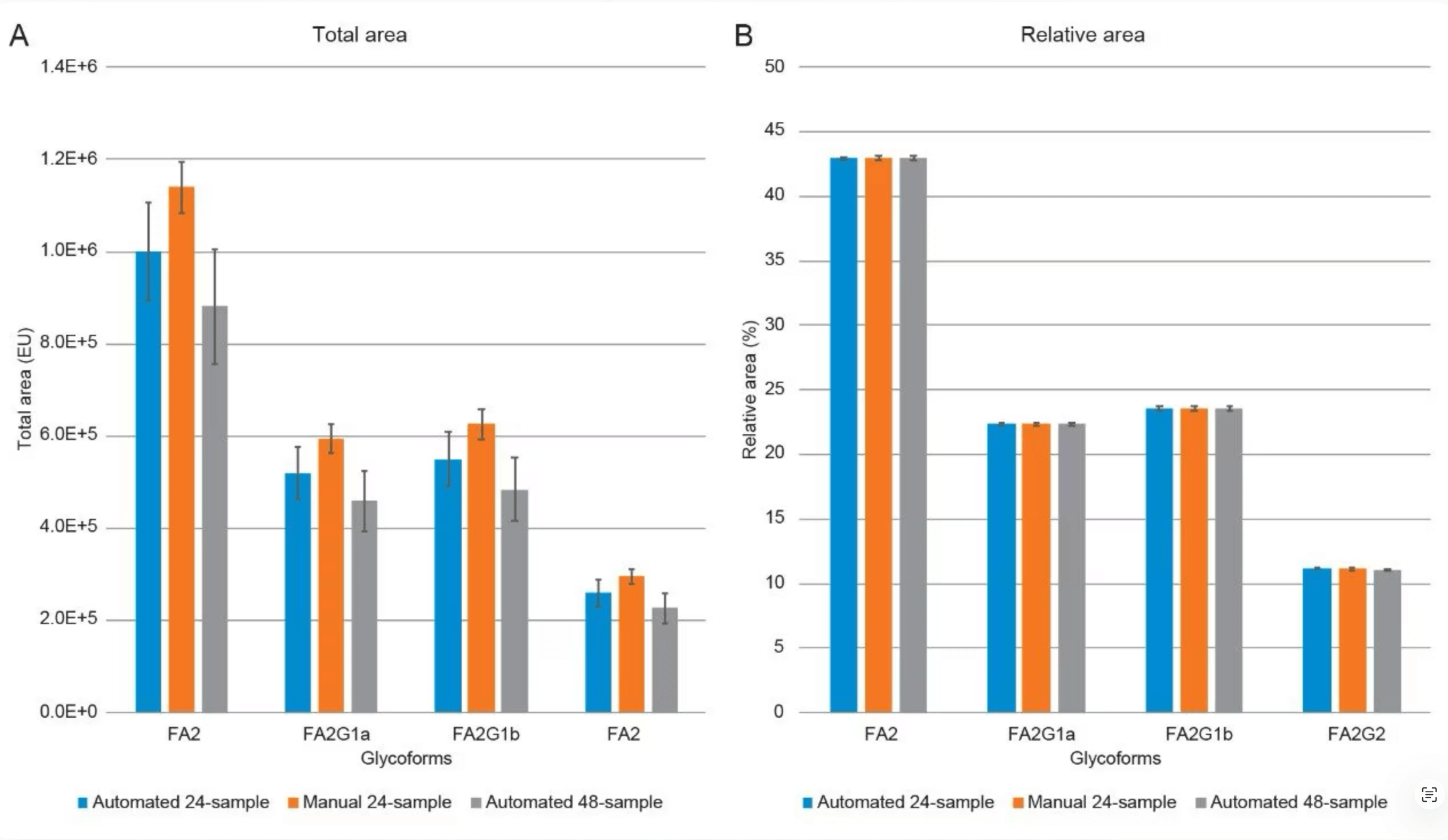
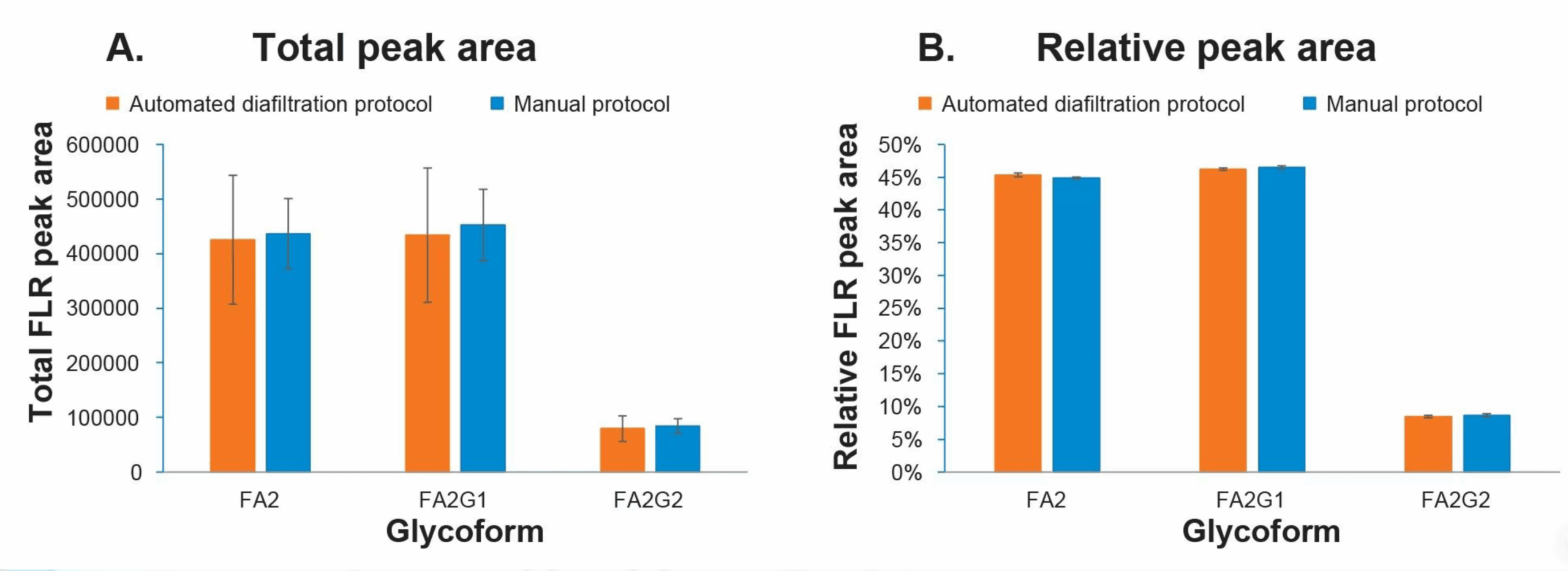
Manual and automated 24-sample preparations alongside automated 48-sample preparations of Intact mAb Mass Check Standard (P/N 186006552) murine IgG1 protein. Data sets are cumulative of 2 preparations on different days for a total of N = 48 for the 24-sample preparations and N = 96 for the 48-sample preparations. A) Total area comparison of the 4 major glycoforms monitored from the chromatographic profile. B) Relative area comparison of the same 4 glycoforms.
Comparison of UPLC-MS N-glycan profiles of trastuzumab-anns purified from PBS and NTM. Error bars show the 95% confidence interval (n=4). The method enables comparison of N-glycan profiles between multiple sample types for high- and low-abundance glycans.